DigitalCampus partners with the best to bring digitally enabled learning to you, to ignite high performance and place trusted certifications in the palm of your hand.
DigitalCampus partners with the best to bring digitally enabled learning to you, to ignite high performance and place trusted certifications in the palm of your hand.
Discover 5 ways companies can trigger remarkable performance gains by fostering a flow mind-state, from setting challenging goals to empowering autonomy.
5 Ways Companies Can Improve Performance Through Flow
Mozart composed the overture to Don Giovanni in just three hours after a night out. At 20, Bill Gates spent weeks programming to advance personal computing. Meanwhile, Alex Honnold climbed the 1km-high El Capitan without ropes. These remarkable achievements demonstrate flow, a psychological state that drives peak performance. Many of us experience flow when doing something we love. Often called being in the zone, it involves complete concentration and focus. Psychologist Mihály Csíkszentmihályi first explored flow in the 1970s. He described it as a state of total engagement, where people use their skills to their fullest potential.
Flow State Changes
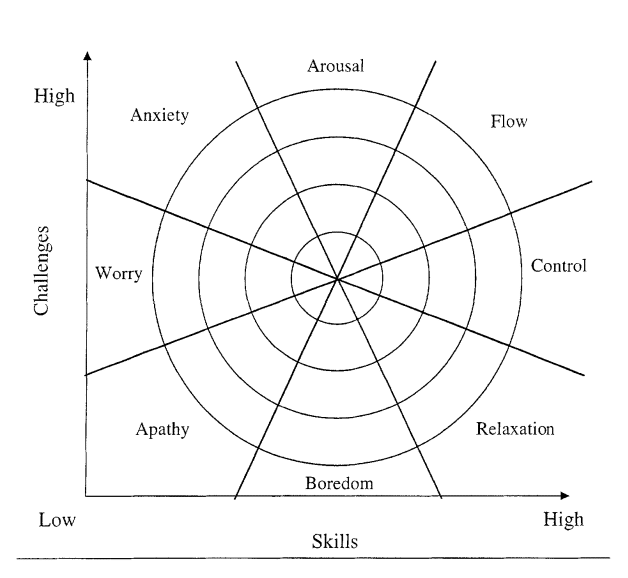
Neuroscience and psychology research has deepened our understanding of flow. During flow, brain activity changes. Some regions become more active, while others reduce their activity. The brain also releases chemicals such as dopamine, serotonin and endorphins, which influence mood and motivation. Furthermore, achieving flow depends on balancing skills with challenges. Tasks that exceed our abilities can cause anxiety. In contrast, easy tasks may lead to boredom and distraction. Flow occurs when challenges stretch our abilities without overwhelming us. This balance creates the ideal conditions for concentration, confidence and peak performance.
These neurological and psychological changes create distinct characteristics during flow. Self-confidence increases. Flow quiets self-doubt and fear of failure. As we focus on the task, our confidence grows and encourages further action. We feel good. The brain releases chemicals that make flow enjoyable. This explains why surfers spend hours in the water, gamers play for extended periods and creative professionals lose themselves in their work. Time disappears. Deep concentration absorbs our attention, making work feel engaging and enjoyable.
How Flow Improves Workplace Performance
Flow strengthens motivation, creativity and learning. It encourages complete engagement and helps us recognise patterns, solve problems and explore new ideas. Furthermore, reduced self-doubt allows us to experiment more freely.
Flow improves performance in two key ways:
Adaptive agility: It helps us respond to complex challenges, make decisions and adjust quickly.
Mastery: It strengthens existing skills and accelerates learning.
Walter Isaacson’s book The Innovators illustrates these benefits through Bill Gates. While studying at Harvard, Gates followed an intense routine of programming for 36 hours and sleeping for 10. He later worked with Paul Allen for two months to develop software that helped launch Microsoft in 1975.
His experience highlights an important lesson: we can deliberately create conditions that encourage flow. By identifying personal triggers, individuals can make flow more achievable. For example, violinist Diane Allen finds flow through her passion for music and connection with fellow musicians. Sharing her love of music and working towards a common purpose help her enter this state.
5 Ways Companies Can Encourage Flow at Work
Passion and purpose help individuals achieve flow. However, organisations can also create environments that support deep concentration and stronger performance.
Here are five practical approaches:
1. Set Challenging Goals
Clear goals give employees direction and purpose. However, meaningful challenges should stretch their abilities without overwhelming them. Therefore, leaders should encourage employees to develop their skills and pursue ambitious but achievable goals.
2. Encourage Risk-Taking
Taking calculated risks can increase focus and encourage innovation. Employees need the freedom to experiment, explore ideas and learn from mistakes. Furthermore, organisations that embrace failure as part of learning can strengthen creativity and problem-solving.
3. Build Roles Around Individual Strengths
Employees perform best when they use their natural strengths and abilities. Therefore, leaders should align responsibilities with individual talents and development goals. This approach increases motivation, engagement and opportunities for flow.
4. Create Spaces That Support Focus
Workplace design influences concentration and productivity. Research highlights changes in US labour productivity growth, while other studies question the effectiveness of open-plan offices. Although flow can occur in busy environments, fewer distractions often support deeper concentration. Therefore, organisations should provide suitable spaces for employees who need uninterrupted focus.
5. Give Employees More Autonomy
Autonomy allows employees to take ownership of their responsibilities. When people believe in their work and control how they approach tasks, they can engage more deeply. Therefore, leaders should build trust, encourage independence and give employees room to make decisions.
Creating a Workplace That Supports Flow
Flow may sound idealistic, especially in busy workplaces. However, organisations can encourage it through practical policies and supportive cultures. For example, Patagonia connects flow with its outdoor-focused culture. Its website shares stories about experiencing flow in nature. The company also promotes flexible working arrangements.
Similarly, EY’s It’s Yours to Build initiative encourages employees to personalise their careers and pursue development opportunities. These approaches show how organisations can connect personal interests with professional responsibilities. Csíkszentmihályi’s research also demonstrates that people can experience flow through both work and leisure. Today, organisations increasingly focus on employee-centred practices and frictionless work experiences to improve engagement and performance.
For individuals, achieving flow requires several important soft skills, including focus, adaptability and self-awareness. Ultimately, understanding your personal flow triggers can help you improve productivity and professional growth.
Want to experience flow at work? Start by identifying what motivates you and how you can bring those experiences into your daily responsibilities.
DigitalCampus offers short courses in business leadership and essential workplace skills to help professionals improve productivity and advance their careers.
Contact us today to explore your learning opportunities.
The Role of Digital Marketing in Boosting South Africa’s E-Commerce Growth
This blog explores key digital marketing tactics that can help South African e-commerce businesses thrive and highlights how DigitalCampus’ Applied Digital Marketing course equips marketers with these essential skills.
How Clear Business Communication Reduces Conflict and Boosts Productivity
explore how clear business communication can reduce conflict and increase productivity, with practical tips and references to DigitalCampus’ Business Communication Skills course for those looking to enhance their communication abilities.
Essential Leadership Skills for South Africa’s Dynamic Business Environment
This blog highlights essential leadership skills for navigating South Africa’s business landscape, with a focus on practical development options from DigitalCampus.
From Theory to Practice: Applying Operations Management in South African Businesses
This blog explores practical ways to apply operations management principles in South African businesses, demonstrating how theory translates into measurable results.
Project Management as a Path to Growth for South African Entrepreneurs
This blog explores how South African entrepreneurs can use project management to achieve their business objectives and build a foundation for long-term success.
Exploring Business Management Courses for Career Growth in South Africa
This blog explores some key business management courses available through DigitalCampus that are perfect for enhancing leadership and operational abilities.
The Role of Workplace Skills in South Africa’s Growing Digital Economy
In this blog, we explore the key workplace skills essential for South Africa’s digital economy and how platforms like DigitalCampus offer accessible training to equip South African professionals with these high-demand skills.
The ROI of Corporate Training: Why Investing in Employee Development Pays Off for South African Businesses
This blog delves into the benefits of corporate training for South African businesses and highlights the powerful impact of platforms like DigitalCampus.
By combining digitally-enabled blended learning with the continent’s most recognised university partners, we offer an opportunity that’s accessible, affordable and geared for those who want to keep going places.